Ep 19: Playing Games
In our primary school days, my brother, Kwadwo, and I had a little ritual during our daily commute. The 40+ minute ride from central Accra to our school in Adenta was an eternity of boredom for us preteens, especially with adults droning on about Ghanaian politics and family gossip in the background.
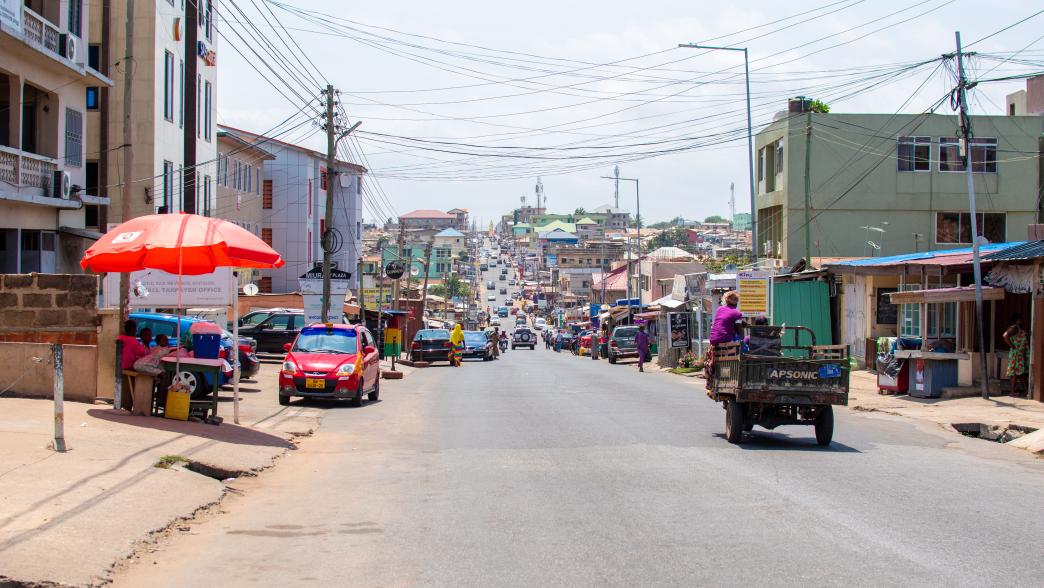
It wasn’t long until we developed ways to fill that space. Our favourite creation was what we called the ‘Umbrella game’, where each of us would count the number of umbrellas on our side of the vehicle. The one who had counted the most umbrellas at the end of the trip won.
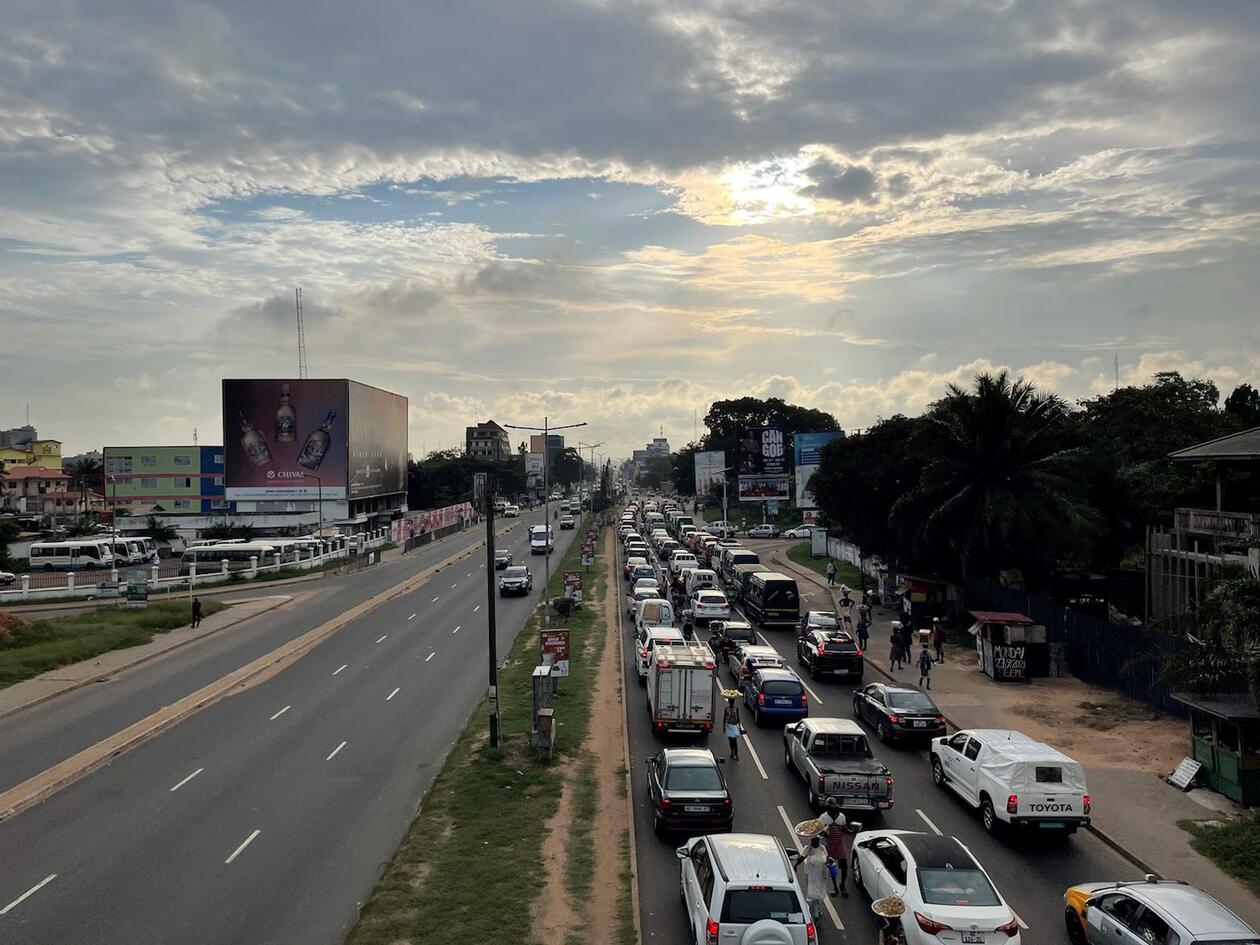
The streets of Accra at the time were fraught with all sorts of umbrellas. They were common among street sellers, protecting them from the scorching equatorial sun and serving as makeshift signage for little stores and stands. Most of these umbrellas were branded with logos of the large corporations (often telcos like Zain, Tigo) — a trope that I later learned was more common in other cities worldwide.
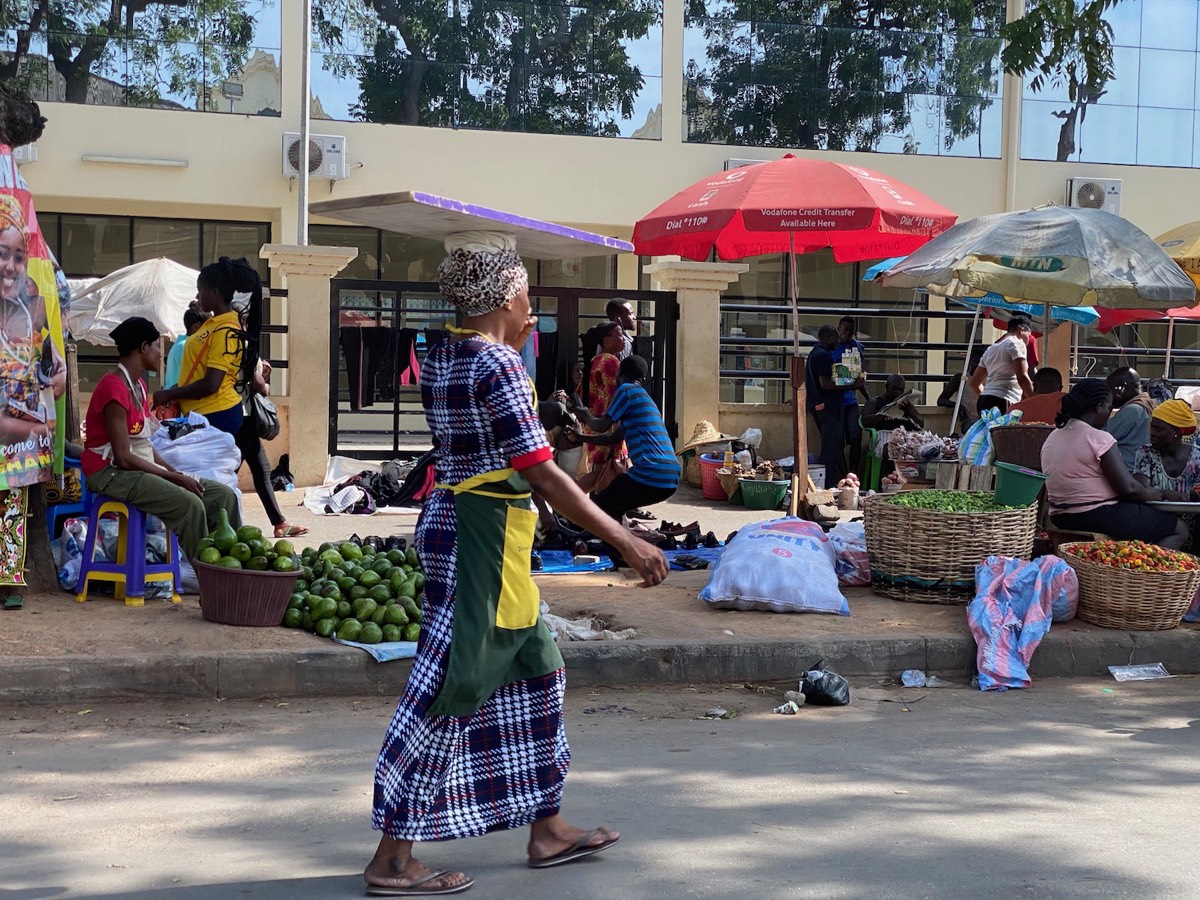
These umbrellas provided shelter to all sorts of road-side food sellers. I have fond memories of korkor ne nkatie, fried yam, koko and bofrot. The fact that I can’t describe much beyond the food probably exposes my current homesickness, haha. But you catch the scene, right?
The number of umbrellas on either side of the street wasn’t the same and had an element of randomness, enough to make the game exciting. Neither my brother nor I knew who’d win at the end of a trip. In the vehicle, backed by the sounds of adults talking, you’d hear screams of young boys, “Twenty-four!”, “Thirty, Thirty-one, Thirty-two!”, “Herh you’re lying, how did you see three all of a sudden!?”, “I’m not lying!”, “Twenty- five!”
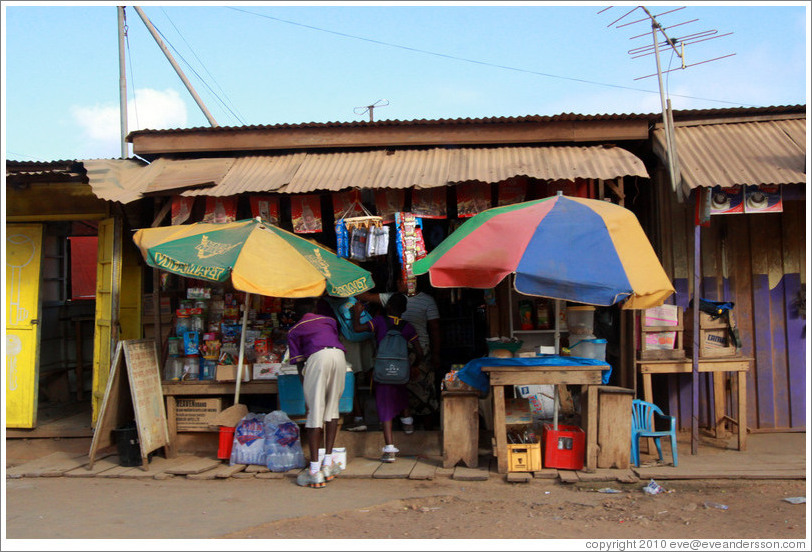
All it took to turn the tides of the game was for Auntie Aggie, the fried yam seller on the left flank of the Okponglo road, not to show up that day. Every umbrella counted!
Games are very effective ways of infusing meaning into the seemingly ordinary. What was a mundane 40+ min commute across Accra turned into a high-stakes challenge in paying attention to what was on the streets (something my brother and I admittedly didn’t do much before).
In reflection, I’ve come to understand games as ways of communicating “what matters” in a broad sense. There are also implicit games baked into our social scripts - from romantic relationship escalators to corporate ladders to social status competitions. These games dictate what we value and pay attention to, but their incentives can sometimes go awry. In my industry, for instance, promotion-driven development often prioritizes visible impact over crucial but less noticeable tasks. While these implicit games might work for many, I wonder about those who can’t or refuse to play along. Being aware of what scripts are running, I think, is important.
Anyway, I digress. Back to my original thought: games are a great way to inject meaning into things and play around with what to focus on. Reflecting on my quest to walk all of Vancouver, and my side quest building Gogomi, I notice it’s really just me playing a game.
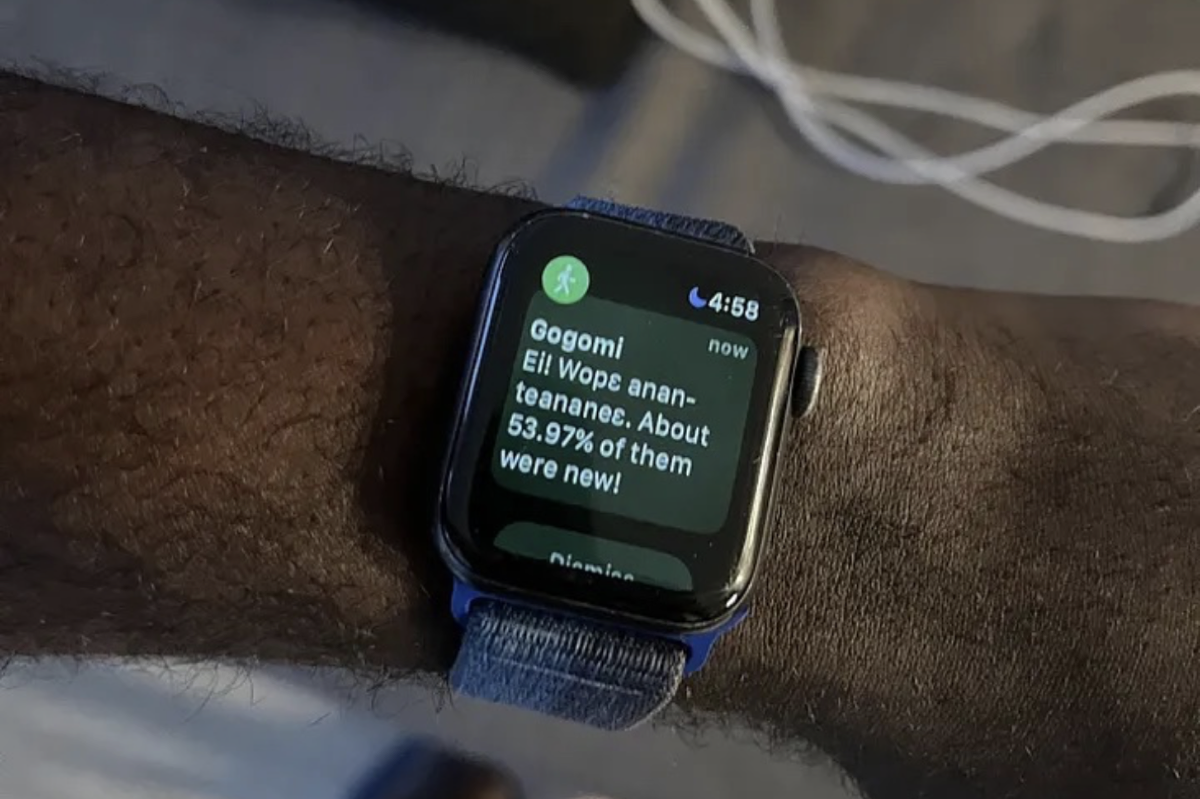
It’s perhaps the biggest and most expansive game I’ve ever played, and I’m having a blast with it. I’m exploring little corners and places I never knew existed, tackling walks of distances I never imagined, drawing hearts on maps, and winding my way to the sea. I’m even having fun building homemade software just for this adventure, and making friends along the way.
The journey has just begun, and it’s already led me in unexpected directions. A simple goal - cover all the roads - has somehow unlocked infinite possibilities. I really don’t know where this whole thing is going, but I’m eager and excited to find out!
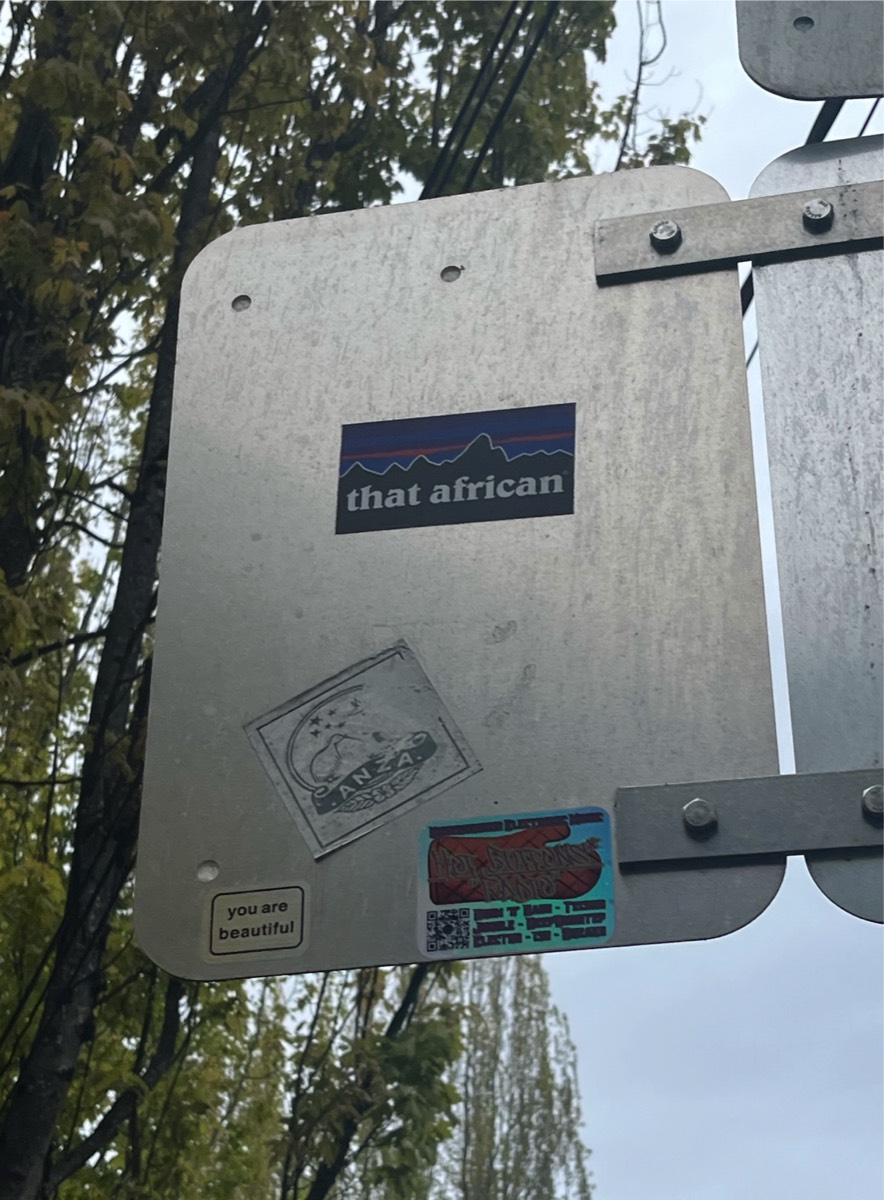
From the backseat of a taxi in Accra to the winding streets of Vancouver, I’m still playing, still discovering. The streets here may not be dotted with colorful umbrellas (maybe except Yaletown), but they’re filled with their own unique markers - hidden paths, quirky houses, surprise viewpoints. Different city, bigger board, same child-like wonder. I love this game!