Ep 21: Romanticise
Back in Junior High School, I was such a snob when it came to spelling and dictation. I loved learning about new words and randomly using them for fun, sometimes sounding like a certain Nigerian Politician (known for their verbose speeches). I spelt my way into the Spelling Bee team, where after school we did prep and drills to represent our school at the Nationals.
It was then a great disappointment when I gracefully (and tearfully) exited the stage in the second round after incorrectly spelling ‘patio’ — I parted the word with an ‘r’. “I don’t even know what a patio is”, I cried to my colleagues afterwards. “We don’t have some in Ghana”, I continued, attempting to rationalise away my embarrassment. After one of the judges had dramatically said “incorrect” and the crowd went with a collective “oooh”, I scurried, face in hands, off the Ghana National Theatre’s stage, never to return.


Regardless of how quickly my spelling bee career ended, I loved the experience. One of my favourite aspects of training for the competition was learning cool words like onomatopoeia, alleviate, syzygy, and all that jazz. It was during those drills that I discovered a new favourite word: quixotic — it still holds up as one of my favourites to this day. It was just such a cool-looking word. See the q and x in there? So fun! I was also curious about its origins, so I did some research and learned it comes from a character’s name in one of the classic European literature from the 17th Century, “Don Quixote” by Miguel de Cervantes.
Quixotic: foolishly impractical especially in the pursuit of ideals. Quixotic implies a devotion to romantic or chivalrous ideals unrestrained by ordinary prudence and common sense
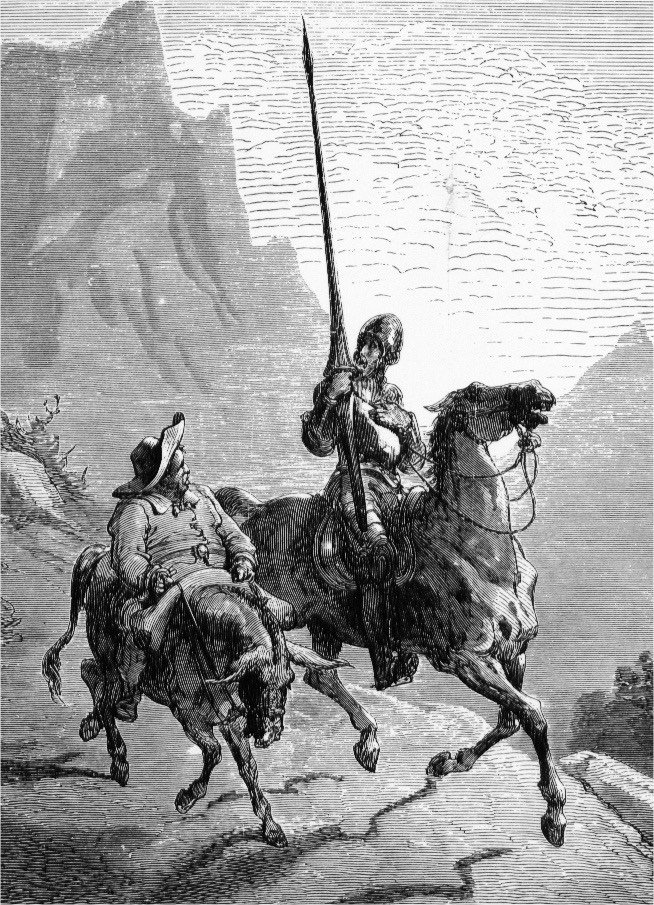
The tale tells the story of an elderly man who gets engrossed in books of chivalry and fantasy, taking them quite literally. He then embarks on his own silly knightly misadventures through rural Spain. Throughout his many escapades, Don Quixote, borderline delusional, imagines things like windmills as giant creatures he must slay, a flock of sheep as an army to be battled and inns as castles. These silly antics often got him into trouble, making for an entertaining read.
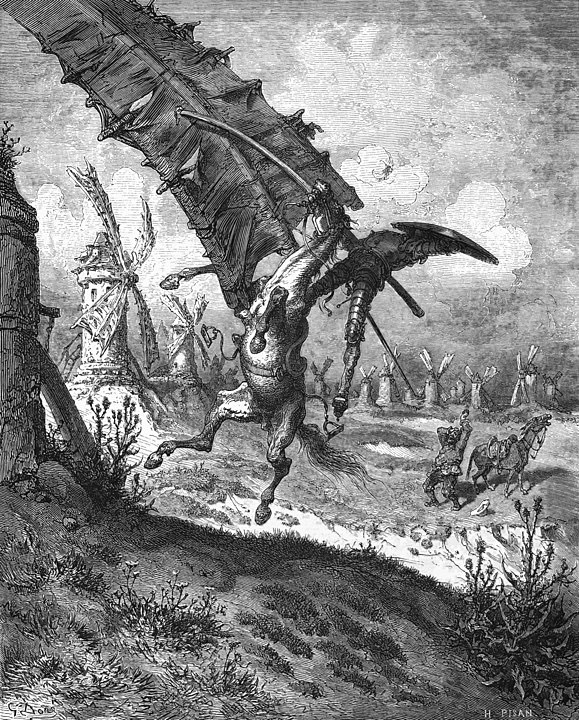
While literary analysis often focuses on the theme of idealism vs realism in the book, what I love most about Quixote’s character (in the first part) is his ability to overlay his fantasies on reality. The book, a product of the Baroque era preceding and influencing the later Romantic movement, showcases Quixote’s talent for projecting his own narrative onto the world around him. This practice of storytelling or self-narrativising is, I believe, very important.
In recent times, a trend of ‘romanticising your life’ took off on social media, particularly during periods of uncertainty like the global pandemic and economic recession. I was admittedly disappointed to see this trend manifest mostly as buying candles, having spa days, or getting nice food at quaint cafes. While there’s nothing wrong with these activities, I think romanticising your life has more to do with narrative than with purchasing nice things. The latter is often a manifestation of the idea that you can buy fulfilment—very consumerist. What’s truly important, I believe, is the story you tell yourself, and to tell a compelling story—even one of grandiose ideals—you first have to pay attention to what’s happening in and around you.
We could use a lot more meaning-making and myth-making in our daily lives. Most children seem to have this ability naturally, but somehow we lose it as we face the challenges of adulthood. Perhaps what drew me to Don Quixote’s character was seeing an elderly man who had likely gone through the same ‘adulting’ process, rekindling a certain child-like wonder about the world.
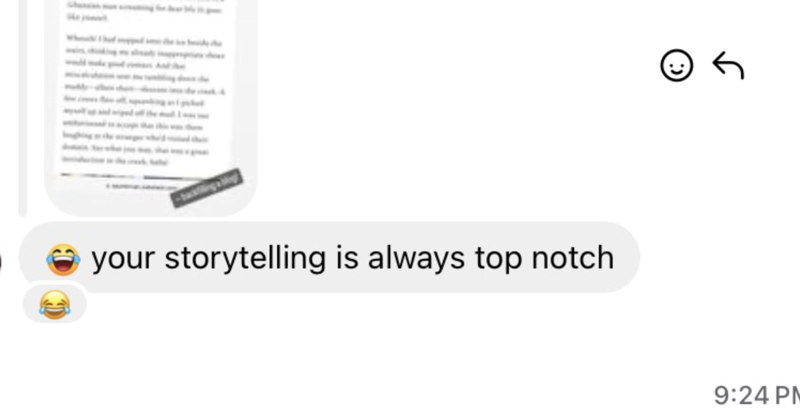
This concept of self-narrativising came naturally to me when I embarked on a quest to walk all of Vancouver, recounting my experiences to friends and strangers via Instagram stories. There’s something powerful about narrativising as a way of not just overlaying your world with fantasy but as a method of paying attention to and re-engaging with seemingly mundane aspects of life.
For instance, my walk to see friends at a cafe in a different part of the city wasn’t just a walk, but an expedition for coffee. This infused a lot more purpose into that—admittedly very long—trek through dry, chilly Vancouver weather, sometimes scaling very steep hills (or mountains, as I’d like to believe). Or take another walk from Brentwood to Vancouver for a date: it wasn’t just a quixotic 10km stroll in the rain, but a quest to meet the Scholar-Queen of the Red Tulip. Same activity, but a different frame.
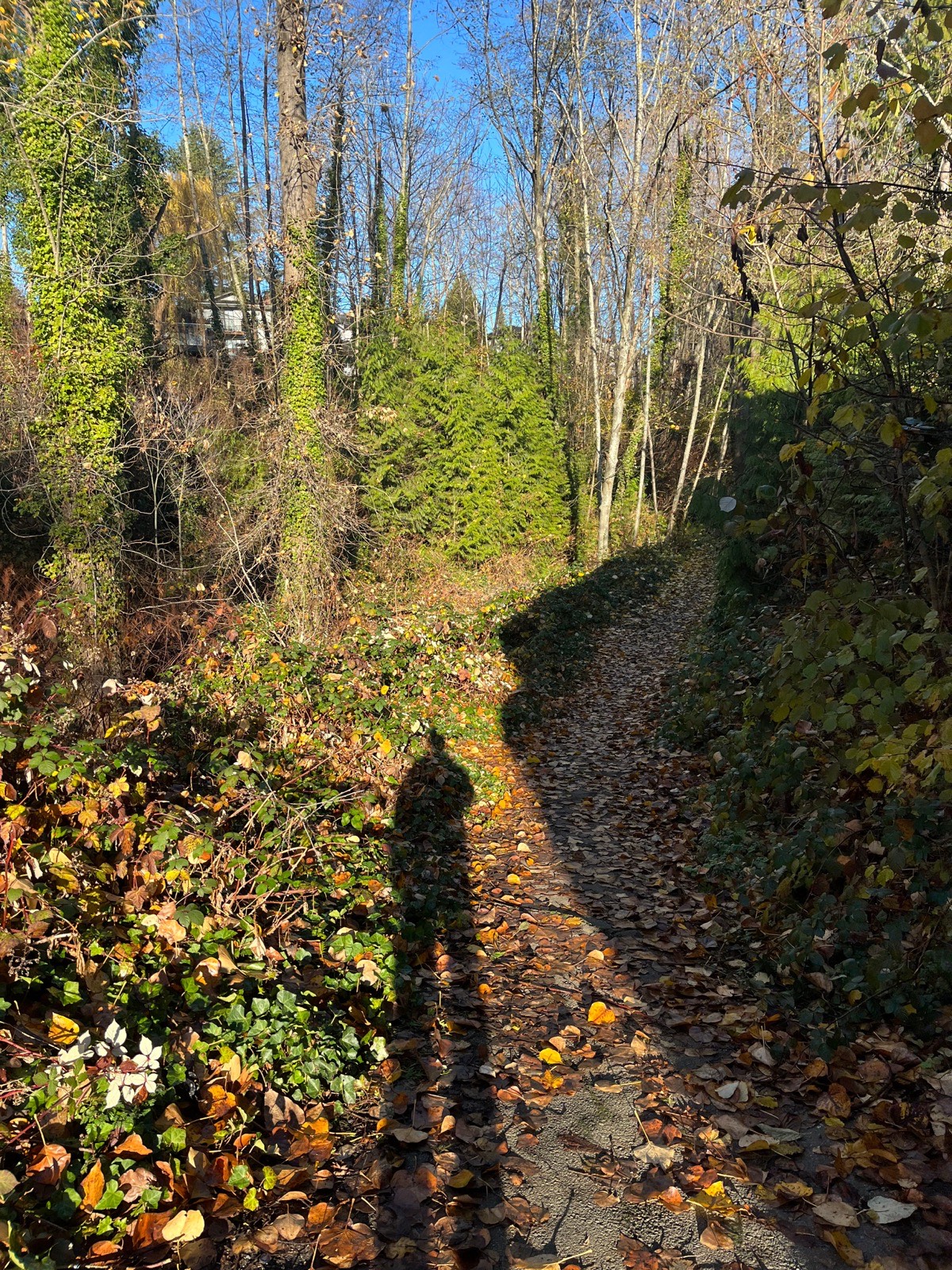

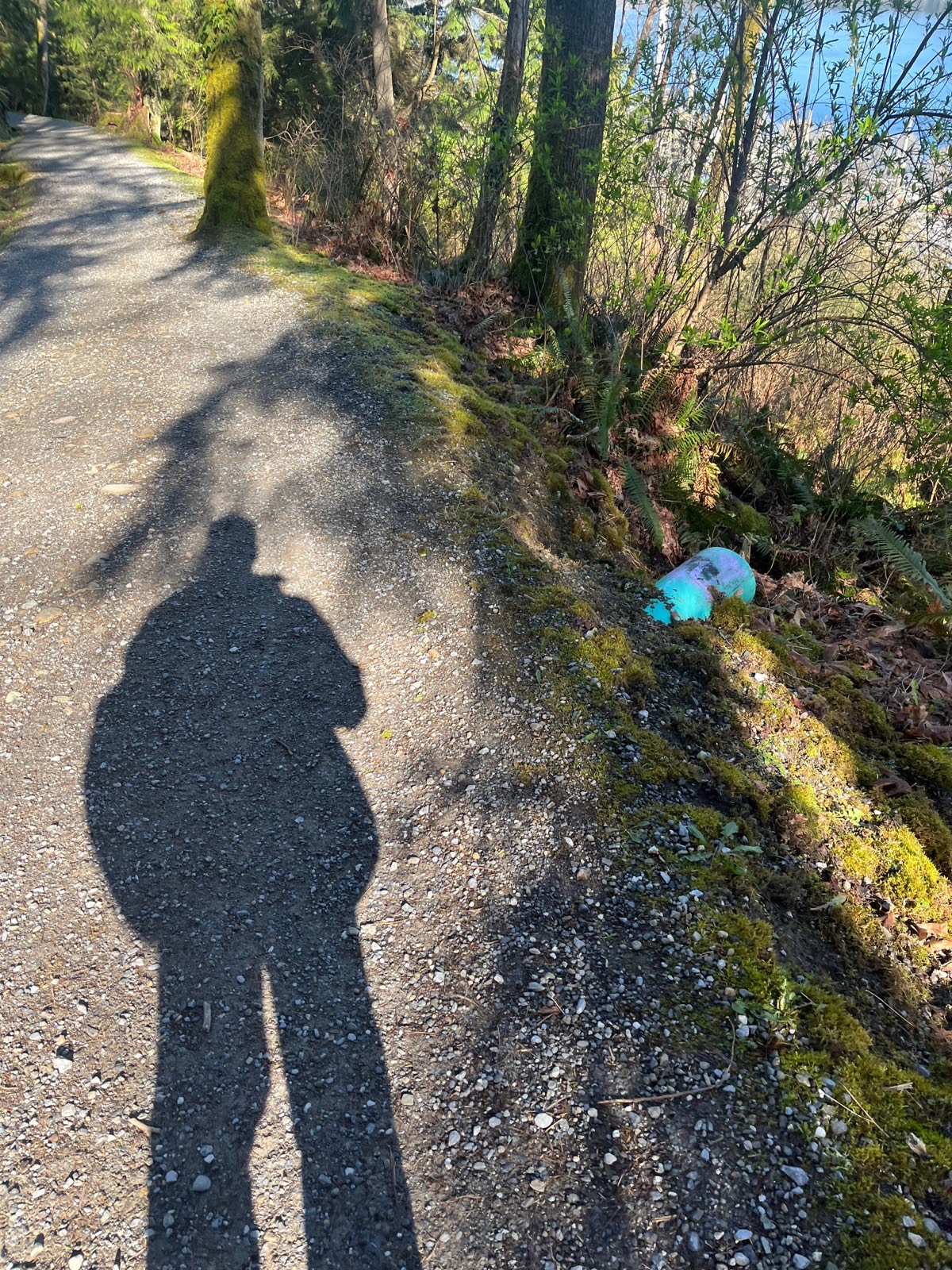
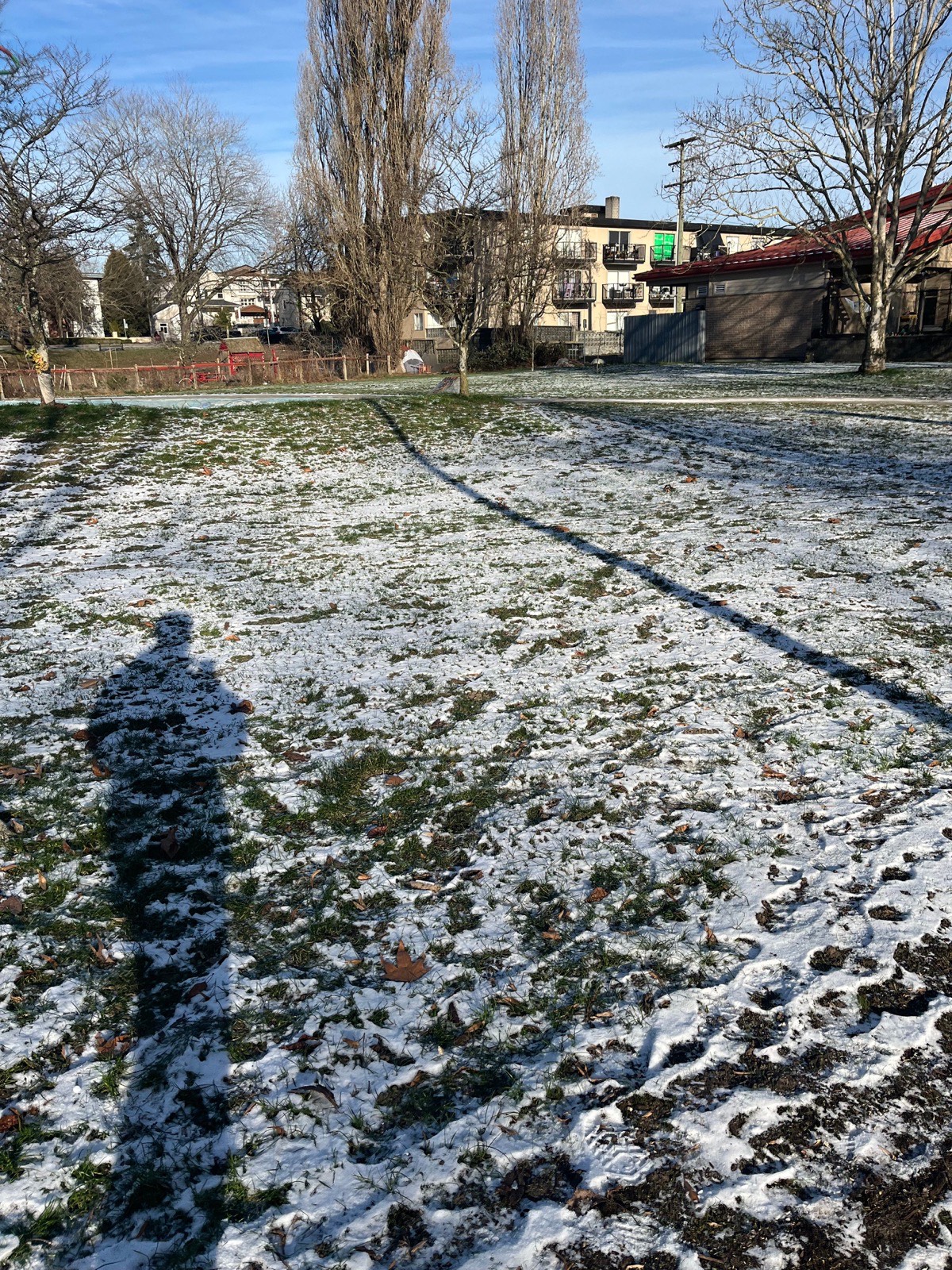
You don’t have to be completely removed from reality to do this. After all, I am still just taking long walks. But by applying a bit more narrative to the things I do, I make my experiences more enjoyable or meaningful. Storytelling and self-narrativising become not an escape from reality, but a practice of re-engaging with and possibly enchanting the day-to-day.
Perhaps, like Don Quixote, we can all benefit from a touch of the quixotic in our lives—not to lose touch with reality but to engage with it more deeply and imaginatively. By seeing the extraordinary in the ordinary, we can transform our daily routines into grand adventures, finding magic in the mundane and purpose in the everyday.